



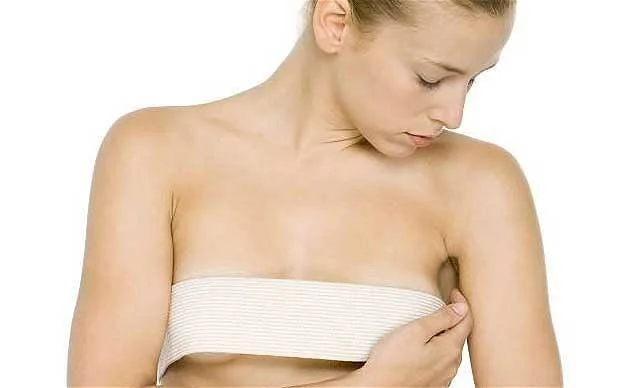
Breast lift recovery runs on two clocks, and most timelines only show you one of them. The first clock is a comfort, and it moves quickly. The second is tissue, and it takes months.
Here is what the research actually shows. In a 2023 study of patients recovering from aesthetic breast surgery, 88 percent got back to daily activities sooner than they had expected. Feeling good again arrives earlier than most people brace for. Looking finished takes longer.
At Artisan Plastic Surgery in Atlanta, our board-certified surgical team schedules follow-ups at one week, three weeks, and six weeks. Those are the points where the two clocks diverge. This article walks through what each phase feels like, what you can and cannot do, and when your shape finally settles.
Key takeaways
- Comfort returns before shape does. Most patients feel significantly better within one to two weeks, while the breasts keep changing for months afterward.
- The first week is about protection, not endurance. Sleeping on your back, wearing the surgical bra around the clock, and taking short walks do more for your recovery than pushing through discomfort.
- Restrictions are staged, not arbitrary. Overhead reaching lifts at about seven days, the five-pound limit lifts at three weeks, and exercise waits until roughly six weeks.
- Breasts look high, flat, and tight at first. They drop and soften into their final position over the months that follow, and adding implants lengthens that curve.
What does breast lift recovery look like week by week?
Recovery moves through phases, and each one has a different job. The early days protect the incisions. The middle weeks return your independence. The later months are when your breasts stop being a surgical result and start being your shape.
| Phase | Timeframe | What to expect |
|---|---|---|
| First days | Day 1 to 3 | Soreness and swelling; rest, with short walks |
| Early healing | Week 1 | Desk work for many; surgical bra around the clock |
| Settling in | Weeks 2 to 3 | Bruising fades; breasts still firm and tight |
| Getting cleared | Weeks 4 to 6 | Swelling drops; exercise cleared at your six-week visit |
| Softening | Months 2 to 6 | Breasts drop and soften into position |
| Long view | 6 months to 2 years | Scars soften and fade |
Surgery takes two to three hours, and you go home the same day into the care of someone you trust. Most patients describe mild-to-moderate discomfort rather than sharp pain, and it eases after a few days.
Swelling can linger for four to six weeks, according to ISAPS, with a return to work possible after seven to 10 days and sports allowed after six to eight weeks. Those three numbers rarely arrive together, which is why the middle of recovery feels uneven.
Here is the part worth hearing early. Nothing about the first month tells you what your final result looks like, so try not to judge your breasts by what you see in week two.
Recovery at Artisan is guided by scheduled follow-ups rather than a printout. No two people heal alike, and a date on a chart cannot know that.
How do you manage pain, swelling, and comfort while you heal?
Comfort in the first two weeks comes down to four habits, and none of them involve toughing it out. Staying ahead of discomfort is easier than chasing it. Take your prescribed medication on the schedule you were given rather than waiting for pain to spike.
Position does a surprising amount of the work. You will sleep on your back for roughly the first week, upper body elevated above your heart. Gravity carries swelling away from your chest instead of pooling it there.
- Sleep on your back, elevated, for about the first week
- Wear the surgical bra around the clock, taking it off only to shower
- Walk gently and often, starting the day after surgery
- Skip alcohol while you are taking pain medication or muscle relaxers
Short, unhurried walks are the single most useful thing you can do. They keep your circulation moving, which helps swelling drain and lowers the risk of a clot forming in your legs.
Tightness and heaviness in the chest are normal, not a sign that something has gone wrong. So is bruising that looks worse before it looks better.
A bra worn consistently for the first six weeks eases tension across the incisions and helps swelling settle. That is why your surgeon asks you to keep it on far longer than feels necessary.
What activity restrictions do you need to follow after surgery?
Restrictions after a breast lift are staged deliberately. Each one lifts when the tissue underneath has healed enough to take the load, which is why the dates are not negotiable and not the same for everyone.
Work and driving
Most patients return to office work and their regular routine one week after surgery, as long as they avoid heavy lifting or straining. Driving waits until you are off prescription pain medication entirely and can turn the wheel and brake without hesitating. If your job involves lifting, carrying, or reaching, that timeline stretches, and your surgeon will tell you by how much.
Lifting, reaching, and daily life
For the first seven days, keep your arms below shoulder height. You can use them normally otherwise, but avoid extending them overhead or straight out to the sides.
Nothing heavier than five pounds gets lifted, pulled, or pushed for three weeks. For a parent of a small child, that restriction is the hardest part of the entire recovery, and it is worth arranging help before your surgery date rather than after.
Exercise and intimacy
Sports and gym activities wait six weeks unless your surgeon clears you sooner. ISAPS puts most patients back to vigorous exercise somewhere in the six-to-eight-week window, and the spread between those numbers is your anatomy, not your discipline. Upper-body workouts and direct pressure on the chest are the last things to return, and intimacy follows the same rule of thumb: gentle, and guided by comfort rather than a calendar.
It is the thing that protects the result you paid for, and patients who do it tend to be the ones who never think about their recovery again.
Della, a patient at our Johns Creek office who followed her post-operative plan through several procedures at once, shared her experience:
“66 years old, had a Blepharoplasty, face lift, breast augmentation, and tummy tuck all at one time. priced fairly, surgeons excellent, after care superb. Not one problem after surgery, results are amazing.”
How do you care for your incisions and help your scars heal?

Your incisions do most of their closing in the first two weeks, and your scars do most of their changing over the year that follows. Sutures placed during a breast lift dissolve on their own, so there is no removal appointment to dread.
Scar therapy begins once the wound has fully closed. Scar-care guidelines treat silicone gel and silicone sheets as the gold standard from that point, and recommend re-checking the scar at four to eight weeks to see how it is forming. Silicone works by holding moisture against the scar, which keeps it flatter and softer as it remodels.
- Wait for full closure before starting silicone
- Have your scars reassessed at four to eight weeks
- Shield healing scars from direct sun with a mineral sunscreen
- Expect scars to look their worst before they look their best
Sun is the one avoidable mistake. Ultraviolet light on a young scar drives permanent darkening, so cover healing incisions rather than trying to tan through them.
Scars from a breast lift are permanent, but with the aftercare your surgeon prescribes they become much less noticeable over time. In the meantime they run red and slightly raised, which is what active healing looks like rather than a problem. If poor healing leaves a scar wide or bulky, ISAPS advises waiting at least six months before correcting it.
How do your breasts settle into their final shape after a lift?

They look wrong at first, and that is expected. Right after surgery your breasts sit high, flat, and tight, because the skin envelope has been tensioned, the tissue is swollen, and the chest muscles underneath are holding a protective spasm.
Then gravity gets to work. Over the first three months the upper fullness eases downward, the lower half fills out, and a natural slope returns. Surgeons call it dropping and fluffing, and there is no way to rush it.
You see a change in your breasts right away, and the shape keeps changing and settling over the next few months, according to Mayo Clinic. Scars follow a slower arc still, softening and fading across one to two years. Add implants beneath the muscle and the settling takes longer again, because the pectoral muscle has to stretch and relax around the implant before anything looks final.
Waiting is the hardest instruction anyone gives you, and the one that most reliably separates a good result from a great one. You can watch that change happen in Artisan‘s before-and-after gallery, where breast lift results are grouped by procedure.
Melissa, a patient at our Northside office two months out from a breast lift with implants, described the pace of her own healing:
“I had a breast lift with implants and a thigh lift with liposuction. It’s been 2 months since I had both procedures done and if you know anything about thigh lifts its takes months before everything is healed and all swelling is gone. Dr Val has been very attentive throughout this whole process and I couldn’t ask for a better physician.”
What warning signs should you watch for during recovery?
The vast majority of breast lift patients move through recovery without a single complication. Swelling, bruising, tightness, and shifting sensation are all normal parts of healing rather than causes for worry. Knowing the short list of exceptions is what lets you stop scanning your body for trouble.
Call the office right away at (404) 851-1998 if you notice any of the following:
- Severe pain that your medication is not touching
- Swelling that is heavy on one breast and not the other
- A bright red spot on the bandage that keeps growing
- Incisions that look like they are opening, or feel red and hot
- Fever or chills
- Darkening or discoloration of the skin around an incision
- Calf pain or swelling in one leg, which can signal a clot and needs immediate attention
One more, and it applies long after you have stopped thinking about surgery. If you notice one or both breasts becoming firmer months down the line, tell your surgical team promptly rather than waiting for your next scheduled visit.
None of this is meant to make you anxious. It is meant to hand you the same short checklist your surgeon carries, so a strange sensation at eleven at night has an answer instead of a search engine.
What happens at your breast lift consultation in Atlanta?
Your consultation is not an audition. Your surgeon assesses your tissue, your skin quality, and your goals. You assess whether this is the practice you want to hand a year of healing to.
As Atlanta’s first woman-led plastic surgery practice, Artisan approaches that conversation as a curation rather than a menu. Our team reviews your medical history and builds a plan around your anatomy, because a breast lift should never be performed with a one-size-fits-all approach. Consultations happen in person at our Northside and Johns Creek offices, where a hands-on assessment tells your surgeon what a photograph never could.
Come with questions about the part of this that affects your life. ASPS recommends bringing a written checklist of questions to your consultation. How long recovery will take, and what help you will need at home, reshape more surgery dates than any technical detail. Cost belongs there too, and flexible financing through Alphaeon Credit, Cherry, and CareCredit keeps it from being the deciding factor.
Sloane, a patient at our Northside office who came in unsure and left without pressure, described the visit:
“If you’re on the fence about injectables or surgery, go have a consult with the incredible team at Artisans. I truly can’t say enough about how good they make me feel about myself. They never push anything on you, they ask what YOU want and help you achieve that.”
Conclusion
Two clocks, running at different speeds. The comfort clock will surprise you by how fast it moves. A breast lift asks for patience on the slower one, in the months when nothing appears to be happening. That quiet stretch is when your shape is actually arriving.
Real patient photos taken six months and a year out do more for your expectations than any timeline can. The before-and-after gallery is the honest place to start, and a personal consultation fills in what photographs leave out.
Healing is not a performance, and nobody should white-knuckle their way through it. At Artisan in Atlanta, every patient deserves to feel heard on the hard days as much as the easy ones. That is what the art of personalized beauty means to us. When your questions outgrow the internet, reach out to our team or call (404) 851-1998.
Frequently asked questions
When can I sleep on my side or stomach after a breast lift?
Sleep on your back with your upper body elevated for about the first week. Side sleeping returns once your surgeon confirms the incisions have closed and tenderness has faded. Stomach sleeping is the last position to come back.
How long do I need to wear a surgical compression bra?
You will wake up in a surgical bra and wear it continuously for the first week, removing it only to shower. After that, plan on wearing a supportive bra almost continuously for six weeks. The support reduces swelling and takes tension off your healing incisions.
When is it safe to drive after breast lift surgery?
Driving waits until you are off prescription pain medication and can move your arms freely enough to steer and react. For most patients that lands within the first two weeks. Test your range of motion in a parked car first.
When can I return to a desk job or light work?
Most patients resume light duties and office work about one week after surgery, provided they avoid heavy lifting and straining. A physically demanding job takes considerably longer. Your surgeon confirms the date based on how your incisions are healing.
How long should I wait before exercising or lifting weights?
Sports and gym activities are off the table for six weeks unless your surgeon clears you earlier. Nothing over five pounds gets lifted for the first three weeks. Upper-body and chest workouts are the last activities to return.
When can I wear an underwire bra again?
Our post-operative guidance clears any bra, including an underwire, at six weeks. Before that, the wire can press directly on incisions that are still remodeling. Some surgeons prefer to wait longer, so follow your own surgeon’s timeline.
Will a breast lift affect my nipple sensation permanently?
Altered sensation in the nipples and breast skin is common early on and is usually temporary. Nerves recover slowly, and most patients see sensation return over the following months. A small number notice a lasting change, which is worth discussing before surgery.
Does breast augmentation with lift recovery take longer than a lift alone?
The comfort timeline is broadly similar, but the settling timeline is longer. A standalone lift keeps settling for a few months after surgery, while implants under the muscle need that muscle to stretch and relax first. Expect a combined result to take noticeably longer to look finished.
*Disclaimer: This content is for educational purposes only and does not constitute medical advice. A consultation with a qualified board-certified surgeon is required to determine the best treatment plan for your individual needs and any questions you may have about a medical condition or procedure.

