

Facial Contouring in Atlanta
Buccal Fat Removal in Atlanta
Refined cheek and jawline definition, done conservatively, by surgeons thinking about your face at fifty.
CONSULTATION
Required
SURGERY LENGTH
About 1 hour
ANESTHESIA
General
SETTING
Northside, outpatient
DOWNTIME
2 to 3 days
SCARS
None visible, incisions inside the mouth
The Approach
The hard part of buccal fat removal is not the surgery. It is knowing how much to take.
The buccal fat pad is a pocket of fat in your mid-cheek. Removing part of it slims the lower face and brings out the cheekbones and jawline. In the right patient, removed conservatively, the result is a refined, natural contour that people read as good bone structure rather than surgery.
Here is the catch, and the reason this procedure is debated. That fat is also part of what makes a face look young. Everyone loses facial volume with age. Take too much buccal fat, or take it from someone whose face is already thin or will thin over time, and you can end up looking gaunt and hollow in your forties and fifties, older than you are. And the fat does not grow back. Which is exactly why the surgery is the easy part and the judgment is the hard part. Plenty of good candidates come through our doors. So do people we send home without operating, and we consider that part of doing this well.
Candidacy
Are You a Candidate?
Good candidacy for this procedure is narrower than the internet makes it sound, and it matters more here than for almost any other facial surgery.
If it turns out you are not a candidate, we would genuinely rather tell you now. There are other ways to define a jawline that do not carry this trade-off.
You may be a good candidate if:
- You have genuine fullness in the mid-to-lower cheeks from prominent buccal fat pads, not from weight, laxity, or a naturally round bone structure
- You have a fuller face and want more definition, and that fullness is not something you will likely lose with age
- You are at a stable, healthy weight, since weight changes affect the result
- You are in good general health and a non-smoker, or willing to quit
- You have realistic, conservative expectations, and you understand the change is permanent
The Honest Answer
Will I Look Gaunt Later?
The concern
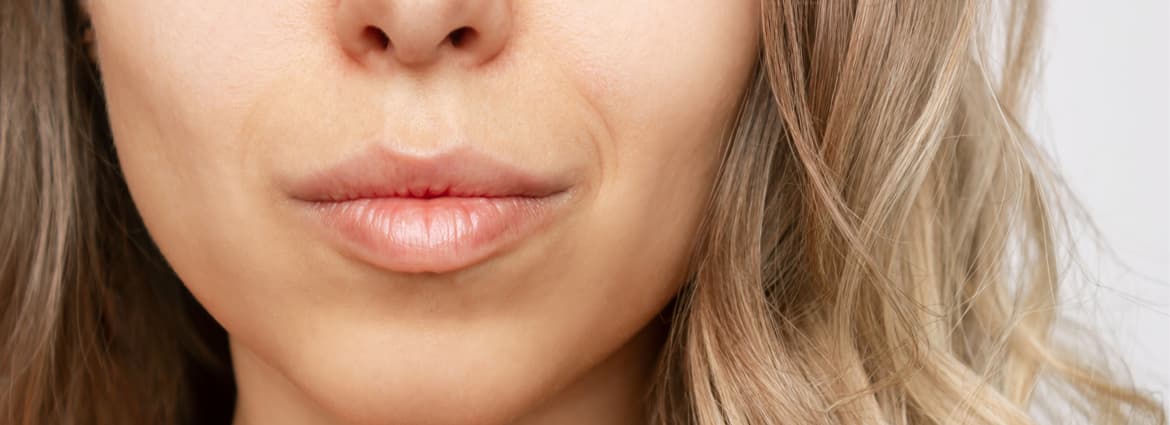
Sometimes yes, if it is done wrong, and this is worth taking seriously rather than dismissing. The risk of a hollow, aged look years later comes down to three things: how much fat is removed, how much natural fullness you started with, and how your face will change as you age. A fuller, rounder face at thirty is often exactly the face that ages best, and removing that fullness can be a decision you regret at fifty.
How we manage it
By being conservative, and by being selective about who we operate on. Conservative removal means we take a measured, deliberate amount, not the maximum. You can always remove a little more later. You cannot put it back easily. So we err toward too little. Selective candidacy means that if your face is already slim, or if we believe you will lose significant volume with age, buccal fat removal may make you look older sooner, and we will tell you that.
The Procedure
How the Surgery Works

Buccal fat removal takes about an hour under general anesthesia at Northside, as an outpatient procedure. Your surgeon makes a small incision inside each cheek, so there are no visible external scars.
She then locates the buccal fat pad and removes a conservative, measured amount to refine your contour. The incisions are closed with dissolvable sutures that disappear on their own inside your mouth.
You go home the same day, with someone to drive you and stay with you overnight.
Choosing
Buccal Fat Removal, or Filler?
Buccal Fat Removal
Takes away
- Removes a conservative amount of mid-cheek fat to slim the lower face.
- Genuine mid-cheek fullness from prominent buccal fat pads, in a full face.
- Permanent. The fat does not grow back.
- One procedure, lasting result, and no way back if too much is taken.
Filler and Facial Balancing
Adds
- Adds definition to the cheekbones and jawline without removing anything.
- Wanting a sharper jawline or cheekbones, reversibly.
- Adjustable, and dissolvable if you change your mind.
- Ongoing maintenance, and no risk of over-removal.
There are two other answers worth knowing. If your fullness is under the chin and along the jaw rather than in the cheek, that is a neck and jawline fat or laxity issue, better suited to submental liposuction or FaceTite. And if your lower face is heavy from sagging rather than fat, that is descent, which buccal fat removal does not address at all, and a facelift or neck lift is the conversation. We offer all of these, so we have no reason to steer you toward surgery you do not need.
Longevity
How Long Do Results Last?
The result is lasting, and rather than sell that as permanence, we would frame it as precision: we remove a conservative amount once, carefully, because it is not something to redo casually. One honest caveat. If you gain significant weight later, the fat cells that remain in the treated area can expand, softening the definition you gained. A stable, healthy weight protects your result.
Recovery
Recovery Timeline
As facial surgery goes this is a straightforward recovery, with one quirk: the incisions are inside your mouth, which makes eating the awkward part.
Day of surgery
Home the same day. Someone drives you and stays overnight. Ice on the outside of the jaw helps. Soft foods only.
First 2 to 3 days
Plan to be off work and normal activities. Swelling and bruising, and tenderness at the incision sites inside your mouth. Stick to soft, bland, protein-rich foods, since protein aids healing.
1 to 2 weeks
Early changes begin to show as initial swelling subsides. Numbness in the cheek may still be resolving, which can take a few weeks.
First 2 weeks
No smoking, no blood thinners, and no alcohol while on pain medication. The intraoral incisions heal.
Several weeks to a few months
The contour refines fully as the last swelling settles. This is your true result.
Your Experience
Your Personalized Surgery Experience
Consultation
We evaluate your facial structure and, crucially, your candidacy, including how your face is likely to age. This is where we tell you honestly whether buccal fat removal suits you or whether a reversible option, or no procedure, is the better call.
Surgery
About an hour under general anesthesia. A small incision inside each cheek, a conservative amount of fat removed, dissolvable sutures. No external scars.
Recovery
Two to three days of downtime, soft foods, some numbness. Straightforward as facial surgery goes.
Results
Emerging over weeks as swelling settles, refined over a few months. Lasting, which is why we removed conservatively.
The Practice
Why Patients Choose Artisan
Surgeons who will talk you out of it
For a procedure this permanent and this easy to overdo, the most valuable thing a surgeon offers is the judgment to remove conservatively and the honesty to decline. We think about your face in twenty years.
The alternatives under one roof
If filler contouring or a neck lift is the better answer, we offer those, so our recommendation is not limited to the one procedure this page sells.
Female plastic surgeons focused on natural results
25+ years, in a practice founded in 2000. [CONFIRM: name Dr. Diane Z. Alexander, MD, FACS, whose surgical photos are the imagery on this page.]
We take too little on purpose
You can always remove a little more later. You cannot put it back. So we err toward under-correction and let you decide, months from now with the swelling gone, whether you want more. Most patients find conservative was exactly right.
FAQ
Buccal Fat Removal FAQs
Will buccal fat removal make me look gaunt as I age?
It can, if too much is removed or if you were not a good candidate to begin with. The buccal fat pad is part of what keeps a face looking full and young, and everyone loses facial volume with age. That is exactly why we remove conservatively and are selective about candidacy. If your face is already thin, or likely to thin with age, we will tell you honestly that this may not be right for you.
Am I a good candidate?
Good candidacy is narrower than the internet suggests. The best candidates have genuine fullness from prominent buccal fat pads in an otherwise full face, are at a stable weight, and are not likely to lose significant facial volume with age. If your fullness is from laxity, weight, or bone structure, or if your face is already slim, another approach is usually better.
Is it permanent? Can it be reversed?
The fat that is removed does not grow back, so the change is lasting. That is precisely why we remove a conservative amount rather than the maximum. If you ever wanted more fullness back, it would mean adding volume with fat grafting or filler, which is why we would rather take too little than too much the first time.
Are there scars?
None that anyone will see. The incisions are made inside your mouth, one in each cheek, so there are no external scars at all. The sutures dissolve on their own inside your mouth.
What are the risks?
Over-resection leading to a hollow look, which is the one specific to this procedure and the reason we are conservative. Rarely, injury to the facial nerve or the parotid duct near the surgical area. Also asymmetry, infection, bleeding, and temporary numbness inside the cheek. Your surgeon will review all of it with you.
Would filler be a better option for me?
Sometimes, yes. If your goal is a sharper jawline or cheekbones, filler adds definition without removing anything permanently, and it can be adjusted or dissolved. It is the reversible alternative, and for some patients it is the smarter first step. We offer both and will tell you honestly which suits you.
Does it hurt?
You are under general anesthesia and feel nothing during surgery. Afterward, most patients report mild discomfort, swelling, and tenderness, manageable with medication. The incisions inside your mouth can make eating uncomfortable for a few days, and numbness in the cheek can last a few weeks.
How much does it cost?
It depends on whether it is done alone or with other facial procedures, plus anesthesia and facility fees. We provide personalized pricing at consultation, and financing is available.
How long is recovery?
Plan for 2 to 3 days off work and normal activities. Stick to soft foods at first, since the incisions are inside your mouth. Swelling subsides over a couple of weeks, and the final contour settles over several weeks to a few months.
Is it safe to do in my twenties?
It can be, but we weigh it carefully. A young face is still changing, and a fuller face at twenty-five is often the face that ages best. Sometimes the right answer is to wait, and we will say so rather than operate just because you asked.
Will it help my double chin or jowls?
No. Buccal fat removal treats fullness in the mid-cheek. Fullness under the chin is a neck and jawline issue better suited to liposuction or a neck lift, and jowls are a laxity issue for a facelift. We will point you to the right procedure.
The best buccal fat removal is a little less than you think you want.
Come in and we will tell you honestly whether this procedure suits your face, now and in twenty years, including when the answer is a reversible option or none at all.