
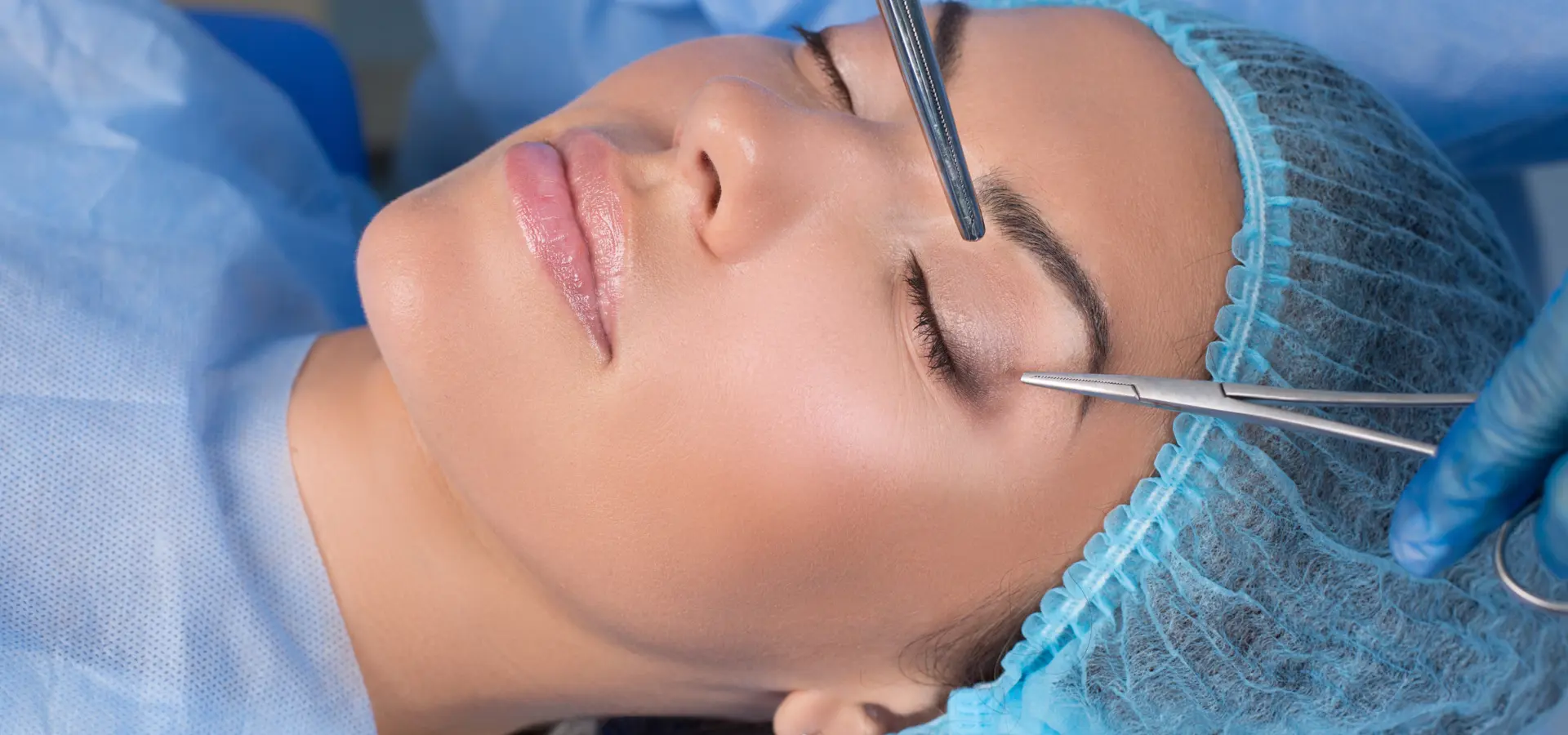
Facial Rejuvenation, Atlanta
Blepharoplasty (Eyelid Surgery) in Atlanta
Refreshing tired, hooded, or puffy eyes. And if your upper lids are heavy enough to affect your vision, that is a different conversation, and we have it.
CONSULTATION
Required
SURGERY LENGTH
1 to 2 hours
ANESTHESIA
Upper often local in-office, lower in the OR
BACK TO PUBLIC
About 1 to 2 weeks
INSURANCE
May be covered when vision is affected
SETTING
Northside, outpatient
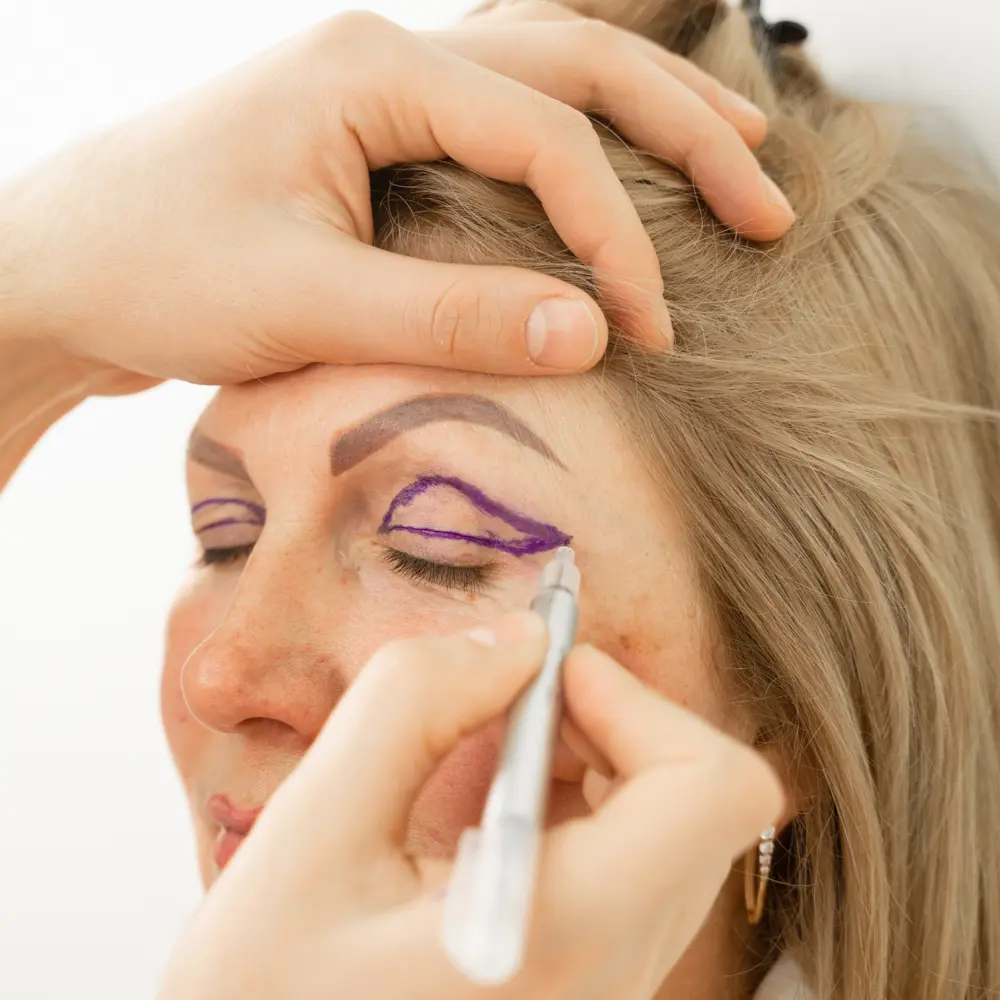
The Approach
Sometimes tired eyes are cosmetic. Sometimes heavy lids are sitting in your line of sight.
The skin around your eyes is the thinnest on your body, and it is often the first place to show age: hooding on the upper lids, bags or puffiness below, a permanently tired look no amount of sleep fixes. Eyelid surgery, or blepharoplasty, addresses exactly that, by removing excess skin and repositioning or removing fat, for a refreshed, more awake, but still natural look.
There is a second version of this conversation that most pages skip. For some people the excess upper-lid skin is not just cosmetic, it hangs far enough to block part of their vision. When that is the case, correcting it is functional, and it may be partly covered by insurance. We will tell you honestly which situation you are in, because they are genuinely different, and we handle both.
Candidacy
Are You a Candidate?
Most people bothered by hooding, bags, or a persistently tired look are candidates, and part of the exam is working out whether surgery is the right tool for your particular version of it.
One thing worth raising before you book: if you have significant dry eye, tell us. Blepharoplasty can worsen dry-eye symptoms, so we screen for it, and it may change the plan. It is an important and commonly overlooked factor in eyelid surgery.
You are likely a good candidate if:
- You have excess upper-lid skin, hooding, under-eye bags, or a persistently tired look
- Your upper lids may be heavy enough to affect your vision, which we will assess and which may be functional
- You are in good general health with no condition that impairs healing
- You are a non-smoker, or willing to quit before surgery
- You have realistic expectations of a refreshed, natural look rather than a dramatically changed one
The Diagnosis
Is It Excess Skin, or Something Else?
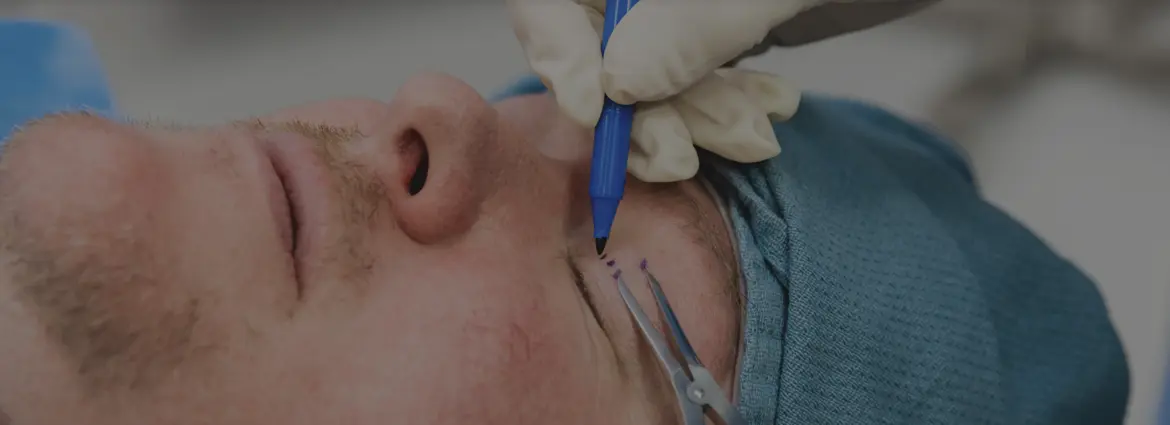
What eyelid surgery corrects
Excess, hooding skin on the upper lids, which is what upper blepharoplasty removes. And under-eye bags and puffiness from fat, plus some excess lower-lid skin, which is what lower blepharoplasty addresses. If that is your problem, this is your operation.
What looks similar and is not
True ptosis is a drooping of the eyelid margin itself, from weakening of the muscle that lifts the lid, rather than extra skin above it. It has a distinct repair that tightens that muscle, and it too can be functional and insurance-relevant. And a heavy brow can create hooding that looks like an eyelid problem when the brow is actually pressing down, in which case the right answer may be a brow lift, or a Botox brow lift for a subtler case. Getting this distinction right is the difference between a result that works and one that disappoints, and it is exactly what the exam sorts out.
Coverage
Cosmetic or Functional? The Insurance Question
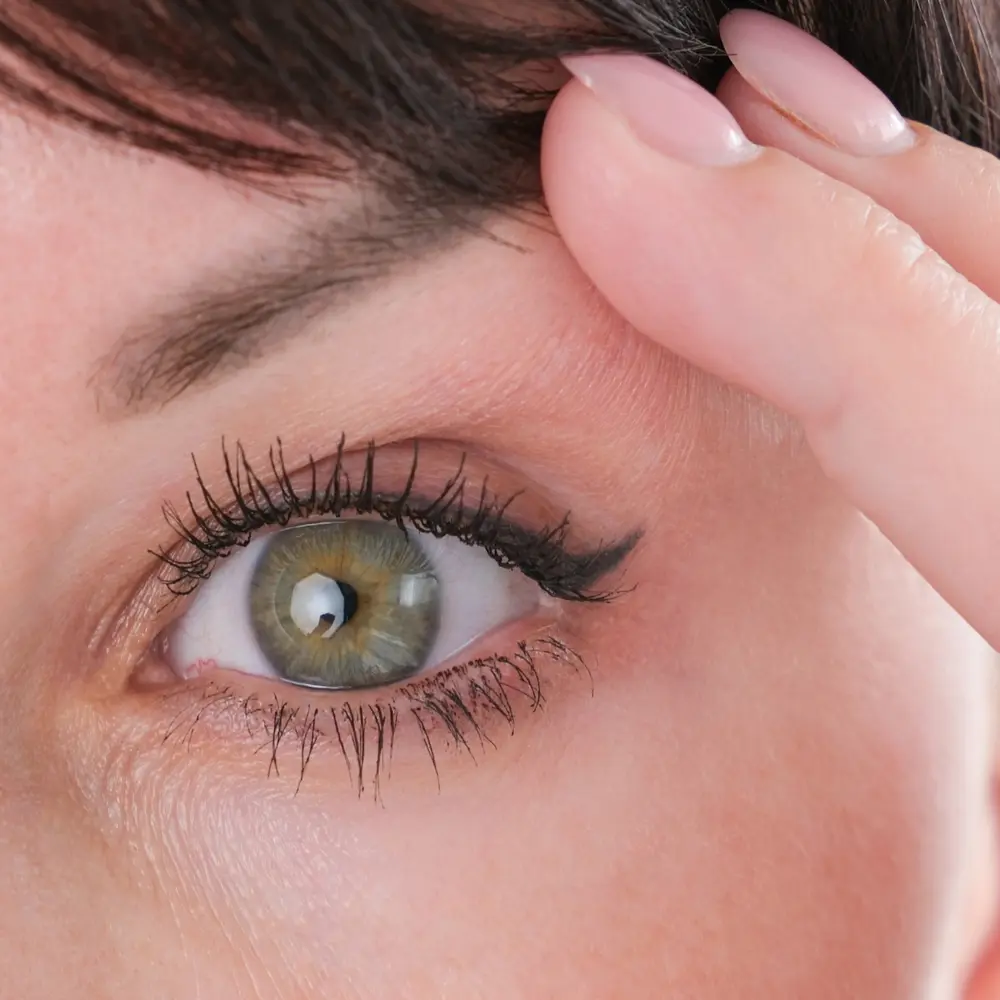
This is the first thing to sort out, because it changes both the goal and the cost. Cosmetic blepharoplasty addresses the appearance of the eyes, meaning hooding, bags, and a tired look, and it is an elective, self-pay procedure. That is what most patients come in for and it is entirely valid on its own.
Functional blepharoplasty applies when excess upper-eyelid skin droops far enough to obstruct your vision, usually the upper and outer field. If you find yourself lifting your brows or your forehead to see, or your side vision feels blocked by your own lids, that may be functional. A visual-field test can document the obstruction, and because the surgery is then correcting a medical impairment, upper blepharoplasty may be partially covered by insurance. We help you through that documentation.
Many patients are somewhere in between, and part of what we do at your consultation is tell you honestly which category you fall into and what that means for your options and your cost.
Choosing
Upper, Lower, or Both
Upper Blepharoplasty
Hooding
- Excess, hooding skin on the upper lids, and a heavy or tired look.
- Often performed in our office under local anesthesia.
- The incision hides in the natural crease of the upper lid.
- Can be functional, and partly insurance-covered, when vision is obstructed.
Lower Blepharoplasty
Bags
- Under-eye bags and puffiness from fat, and some excess lower-lid skin.
- Performed in the operating room under general or monitored anesthesia.
- The incision sits just below the lash line, or entirely inside the lid.
- Cosmetic. Bags are often genetic and can appear at any age.
Many patients have both done together in a single procedure for full eye rejuvenation. And for lower lids specifically, when the issue is purely fat with good skin, the incision can be made entirely inside the lower lid, a transconjunctival approach, leaving no visible external scar at all.
Longevity
How Long Do Results Last?
A long time, and this is one of blepharoplasty’s genuine advantages. Upper eyelid results are typically very long-lasting, often a decade or more, and for many patients the excess skin removed does not return in a way that needs redoing. Lower eyelid results are similarly durable. Your eyes still age gently over time, but blepharoplasty resets the clock substantially, and most patients never need it done again.
Recovery
Recovery Timeline
Here is the whole arc, so you can plan around it.
First 3 days
Ice for 20 minutes each waking hour to control swelling. Head elevated above the heart, even sleeping. Leave the brown tape at the corners in place, since it protects the sutures. Dark glasses, even indoors.
First week
No lifting, bending, or straining. No contacts. Dark glasses to shield from sun and wind.
6 to 7 days
Sutures removed.
1 to 2 weeks
Most patients are presentable in public. No eye makeup until two weeks, and then with clean or new brushes and product to avoid infection.
3 weeks
Follow-up with medical staff to check progress.
4 to 6 weeks
Resume strenuous activity. Follow-up with the doctor around six weeks.
Months
Fine incision scars in the creases continue to fade, and the final refined result settles in.
Swelling comes down unevenly, and one eye almost always settles ahead of the other. That evens out. The dates above are typical rather than promised, so if you have an event you care about, build in a week or two of margin on either side of where this timeline puts you.
Your Experience
Your Personalized Surgery Experience
Consultation
We assess your lids, brows, and eye health, determine whether your concern is skin, fat, ptosis, or brow position, and whether it is cosmetic or functional, then tell you honestly whether surgery or a non-surgical option is right for you.
Surgery
One to two hours. Upper lids often in our office under local anesthesia, lower lids in the operating room. Incisions hidden in the crease or inside the lid.
Recovery
Ice, head elevation, dark glasses, and our detailed protocol. Presentable in one to two weeks.
Results
Visible as swelling settles over weeks, refined over months, and long-lasting.
The Practice
Why Patients Choose Artisan
Surgeons who read the whole eye, not just your lids
Whether your tired look is skin, fat, ptosis, or a heavy brow determines the right fix, and getting that distinction right is what separates a natural result from a disappointing one.
Cosmetic and functional, both handled
We take on the insurance-relevant functional cases and help with the documentation, as well as the purely cosmetic ones.
Surgical and non-surgical under one roof
We will honestly offer you a Botox brow lift or filler when that is the smarter first step, rather than pushing surgery you may not need yet.
All female plastic surgeon practice
We founded our practice in 2002.
FAQ
Eyelid Surgery FAQs
Is eyelid surgery ever covered by insurance?
Sometimes, yes. If your upper-eyelid skin droops far enough to obstruct your vision, correcting it is considered functional rather than purely cosmetic, and a visual-field test can document the obstruction. In that case, upper blepharoplasty may be partially covered by insurance. Purely cosmetic eyelid surgery is self-pay. We help you figure out which applies to you and handle the documentation if it is functional.
How do I know if my heavy lids are affecting my vision?
Common signs are lifting your eyebrows or forehead to see better, feeling like your side vision is blocked by your own lids, or eye fatigue from constantly compensating. If that sounds familiar, we can assess it, and a visual-field test can measure it objectively.
What is the difference between upper and lower eyelid surgery?
Upper blepharoplasty removes excess, hooding skin from the upper lids, often in our office under local anesthesia, with the incision hidden in the upper crease. Lower blepharoplasty addresses under-eye bags and puffiness, in the operating room under general or monitored anesthesia, with the incision below the lashes or inside the lid. Many patients do both together.
Is my problem excess skin, or something else?
It could be excess skin, meaning hooding, or true ptosis, which is a drooping of the lid margin itself and a different repair, or a heavy brow pressing down and mimicking an eyelid issue. These have different fixes, and telling them apart is a key part of your consultation. Getting it right is what makes the result look natural.
Could a non-surgical option work instead?
For earlier or subtler cases, sometimes. A Botox brow lift can open the eyes slightly, filler can soften under-eye hollows and dark circles, which is a different problem from fatty bags, and laser resurfacing can improve crepey lid skin. None replaces surgery for significant excess skin or real bags, but they can be a smart first step, and because we offer both we will tell you honestly which suits you.
What are the risks?
Generally it is very safe. The most common issue is temporary dry, irritated eyes, more likely if you already have dry eye, which we screen for. Others include temporary trouble fully closing the eyes, brief blurred vision, swelling, asymmetry, and, for lower lids, a pulling-down of the lid. Very rarely, bleeding behind the eye is a surgical emergency, which is why we give you clear warning signs. Your surgeon reviews it all.
Does it hurt?
Most patients report minimal pain. You feel nothing during surgery, whether under local or general anesthesia. Afterward, mild discomfort is managed with ice and Tylenol, and stronger pain medication is rarely needed.
How long is recovery?
Most patients are presentable in about 1 to 2 weeks. Sutures come out at 6 to 7 days, you wear dark glasses for the first week, and avoid contacts and eye makeup for 2 weeks. Strenuous activity resumes at 4 to 6 weeks, and fine scars in the creases keep fading over months.
How long do results last?
A long time. Upper eyelid results are often very long-lasting, frequently a decade or more, and many patients never need it redone. Your eyes still age gently, but the surgery resets things substantially.
Can I combine it with other procedures?
Yes, commonly. Eyelid surgery pairs naturally with a facelift, neck lift, or brow lift for fuller facial rejuvenation, and with laser resurfacing for lid-skin texture. If combined with a facelift, a 23-hour observation at Northside applies. We plan it all together.
Open, rested eyes that still look like yours.
Come in and we will read your whole eye, tell you whether it is skin, fat, ptosis, or brow, whether it is cosmetic or functional, and exactly what your options and costs are.