

You’ve caught yourself turning your head slowly in the mirror, noticing how the skin along your jawline isn’t quite as firm as it used to be. Maybe you’ve already started researching, and now you’re staring at a list of facelift techniques that all sound different but look the same on paper.
That feeling of wanting to move forward but not knowing which option fits your goals? It’s completely understandable.
Modern facelift surgery has evolved far beyond the single-technique era. According to the American Society of Plastic Surgeons, 79,058 facelift procedures were performed in 2024 alone, each one tailored to a unique combination of anatomy, goals, and lifestyle. With techniques ranging from minimally invasive mini facelifts to comprehensive deep plane procedures, understanding the differences is the first step toward a confident decision.
As the city’s first woman-led plastic surgery practice and the right place for choosing the right Atlanta plastic surgeon for you, Artisan Plastic Surgery offers the full spectrum of facial rejuvenation, from surgical facelifts to minimally invasive jowl contouring with FaceTite. With over 20 years of experience in facial plastics, our board-certified surgeons bring an artisan’s eye to every procedure. This guide compares the major facelift techniques, recovery timelines, and how to determine which approach aligns with your goals.
Quick Facts
- There are seven common facelift techniques, ranging from minimally invasive mini facelifts to comprehensive deep plane procedures, each addressing different depths and areas of facial aging.
- The right technique depends on your anatomy, the severity of aging, your recovery timeline, and your long-term goals, not your age alone.
- Deep plane facelifts achieve the longest-lasting results (10 to 15 years) by repositioning deeper facial structures, while mini facelifts offer quicker recovery for early aging (3-7 years).
- Costs in Atlanta range from approximately $4,500 for a mini facelift to $24,000 or more for a deep plane facelift, with financing options available.
- A personalized consultation is the most reliable way to determine which facelift technique will deliver the natural-looking results you envision.
What Are the Different Types of Facelifts Available Today?

It’s completely normal to feel overwhelmed by the options. The main difference between facelift techniques comes down to how deep your surgeon works beneath the skin and which areas of the face are addressed. Understanding these distinctions can help you narrow down your choices with confidence.
The SMAS (superficial musculoaponeurotic system) is a fibrous tissue layer beneath the skin that envelopes the facial muscles. Techniques that work at or below this layer deliver longer-lasting, more natural-looking results because they address the deeper structures causing facial aging, not just the surface.
At Artisan Plastic Surgery, our surgeons are experienced in multiple facelift techniques and customize each approach to your unique facial anatomy and goals. The table below provides a side-by-side comparison.
| Target Area | Technique | Surgical Depth | Ideal Age Range | Results Last | Recovery (Return to Work) | Cost Range (Atlanta) |
|---|---|---|---|---|---|---|
| Lower face, jawline | Mini Facelift | Skin + limited SMAS | Late 30s-50s | 2-7 years | 7-10 days | $4,500-$12,000 |
| Lower face, jawline, some midface | SMAS Facelift | SMAS layer | 40s-60s | 5-10 years | 10-14 days | $12,000-$18,000 |
| Midface, lower face, neck | Deep Plane Facelift | Below SMAS, ligament release | Late 40s-70s | 10-15 years | 2-3 weeks | $15,000-$24,000 |
| Cheeks, midface | Mid-Facelift | Subperiosteal/endoscopic | 40s-60s | 5-10 years | 10-14 days | Starting at $10,000 |
| Lower face, jowls | S-Lift | Skin + partial SMAS | Late 30s-50s | 5-10 years | 7-10 days | $3,500-$8,000 |
| Surface skin | Skin-Only Facelift | Skin only (no SMAS) | Limited use | 2-5 years | 7-10 days | $3,500-$8,000 |
| Mild sagging areas | Thread Lift | Superficial (PDO threads) | 30s-50s | 1-2 years | 1-3 days | $2,000-$5,000 |
What Is a Mini Facelift and Who Is It Best For?
If you want visible improvement but aren’t ready for a more involved procedure, the mini facelift for younger patients might be the right starting point. It uses shorter incisions, typically placed around the ear, and focuses on tightening the lower face, jawline, and upper neck with limited work on the SMAS layer.
This technique works best if you’re in your late 30s to early 50s with mild to moderate jowling and good skin elasticity. It can often be performed under local anesthesia with IV sedation in one to two hours, making it one of the most accessible surgical facelift options.
Here’s what to keep in mind. A mini facelift can’t address significant midface descent, deep nasolabial folds (the creases running from your nose to the corners of your mouth), or extensive neck aging. If those are your primary concerns, a more comprehensive technique will likely deliver the results you’re looking for.
How Does the SMAS Facelift Work and What Does It Treat?
The SMAS facelift targets the superficial musculoaponeurotic system, a fibrous tissue layer beneath the skin that envelopes the facial muscles. By tightening this layer, the procedure provides structural support that outlasts skin-only approaches.
There are several variations, including SMAS plication (folding the tissue), SMASectomy (removing a strip of tissue), and SMAS flap (elevating and repositioning the layer). Each offers slightly different results, and your surgeon will recommend the best approach based on your anatomy. A 2025 systematic review of 2,896 patients published in Aesthetic Plastic Surgery found that SMAS facelifts achieve 87.8 percent patient satisfaction.
This technique is effective for moderate aging with jowling and lower face laxity. It provides more durability than a mini facelift but doesn’t fully release the deeper ligaments like the deep plane technique does. If you’re wondering which variation is right for you, that’s exactly what a consultation is designed to answer.
What Makes the Deep Plane Facelift Stand Out?
If your biggest concern is looking overdone or unnatural, the deep plane facelift was designed to address exactly that. This technique works beneath the SMAS layer, releasing retaining ligaments (the bands of tissue that hold facial fat pads in place) and repositioning deep facial fat pads, muscles, and skin as a single cohesive unit.
The result is a comprehensive correction of midface descent, deep nasolabial folds, jowls, and neck laxity in a single procedure. Because the lift relies on structural repositioning rather than skin tension, results typically last 10 to 15 years. The same 2025 review in Aesthetic Plastic Surgery found that deep plane facelifts achieve 94.4 percent patient satisfaction, the highest of any technique studied.
Our board-certified surgeons bring an artist’s sensibility to every facelift, focusing on natural contours that honor your unique features rather than simply pulling skin tight. You can view before and after results to see what this approach can achieve.
Our patient Carol, who had a lower face and neck lift, described her experience:
“The results are amazing already. The whole process included pre op vitamins and post op included very helpful facials and products to make the recovery so easy and painless. Dr Alexander is a perfectionist and her work was flawless.”
What Are the Lesser-Known Facelift Techniques?
You might have come across technique names like “mid-facelift” or “S-lift” during your research and wondered what they actually mean. These are real surgical approaches, each with a specific purpose.
A mid-facelift (or cheek lift) targets the cheeks and midface through a subperiosteal or endoscopic approach. It’s ideal if your primary concern is midface ptosis (drooping of the cheek area) without significant lower face or neck changes.
An S-lift uses an S-shaped incision around the ear to address the lower face and jowls with a shorter recovery, typically three to five days before social comfort. It works best for patients in their 30s to 50s with mild sagging.
A skin-only facelift is an older technique that removes excess skin without addressing deeper structures. Most surgeons now consider it outdated because results are shorter-lasting and carry a higher risk of an unnatural appearance. Thread lifts use absorbable PDO threads to create a subtle lift and stimulate collagen, but results are temporary (one to two years) and best suited for very mild laxity.
How Do Facelift Recovery Times Compare by Technique?
Recovery is often the deciding factor, especially when you’re planning around work, social commitments, or family obligations. Here’s the good news. Every technique has a clear recovery timeline, and knowing what to expect upfront makes the entire process easier to plan.
Swelling and bruising typically peak around days two to three for all techniques and improve substantially by week two. Final results emerge at different timelines depending on the depth of the procedure.
| Milestone | Mini Facelift | SMAS Facelift | Deep Plane Facelift |
|---|---|---|---|
| Return to desk work | 7-10 days | 10-14 days | 2-3 weeks |
| Bruising/swelling resolves | 1-2 weeks | 2-3 weeks | 3-4 weeks |
| Light exercise | 2 weeks | 3 weeks | 4 weeks |
| Full exercise/normal activity | 4-6 weeks | 4-6 weeks | 6-8 weeks |
| Final results visible | 1-3 months | 3-6 months | 6-12 months |
How Much Do Different Types of Facelifts Cost in Atlanta?
We understand this is a significant investment, and you want to make sure every dollar counts. Total facelift costs include surgeon fees, anesthesia, facility fees, post-operative garments, and follow-up care. According to ASPS data, the average surgeon fee alone for a facelift was $11,395 in 2023, and that’s only one component of the total.
In Atlanta, pricing generally falls below coastal markets like New York and Los Angeles. Costs range from approximately $4,500 for a mini facelift to $24,000 or more for a deep plane facelift, reflecting the technical complexity and operative time involved. When you compare cost to longevity, a deep plane facelift at $20,000 with results lasting 10 to 15 years works out to roughly $1,300 to $2,000 per year.
Artisan Plastic Surgery offers flexible financing through Alphaeon Credit, Cherry, and CareCredit to help make a facelift for a more youthful face achievable. Learn about financing options.
What Are the Risks and Complications of Each Facelift Technique?
It’s completely natural to feel anxious about potential complications before any surgery. The reassuring reality is that facelift complication rates are well studied, and most issues are temporary.
A 2025 meta-analysis of 10,766 patients published in the Annals of Plastic Surgery found that hematoma (blood pooling under the skin) is the most commonly reported complication. Rates were three percent for deep plane techniques and two percent for SMAS facelifts.
Temporary nerve injury was rare and similar between both technique groups, with most cases resolving over time. Permanent nerve damage occurred in fewer than 0.05 percent of all cases.
Infection rates remain low, under three percent, for all techniques. The “windswept” or overdone look that many patients worry about is primarily associated with outdated skin-only techniques that relied on skin tension rather than structural repositioning. Today’s structural approaches are specifically designed to avoid that outcome.
How Do You Choose the Right Facelift for Your Goals?
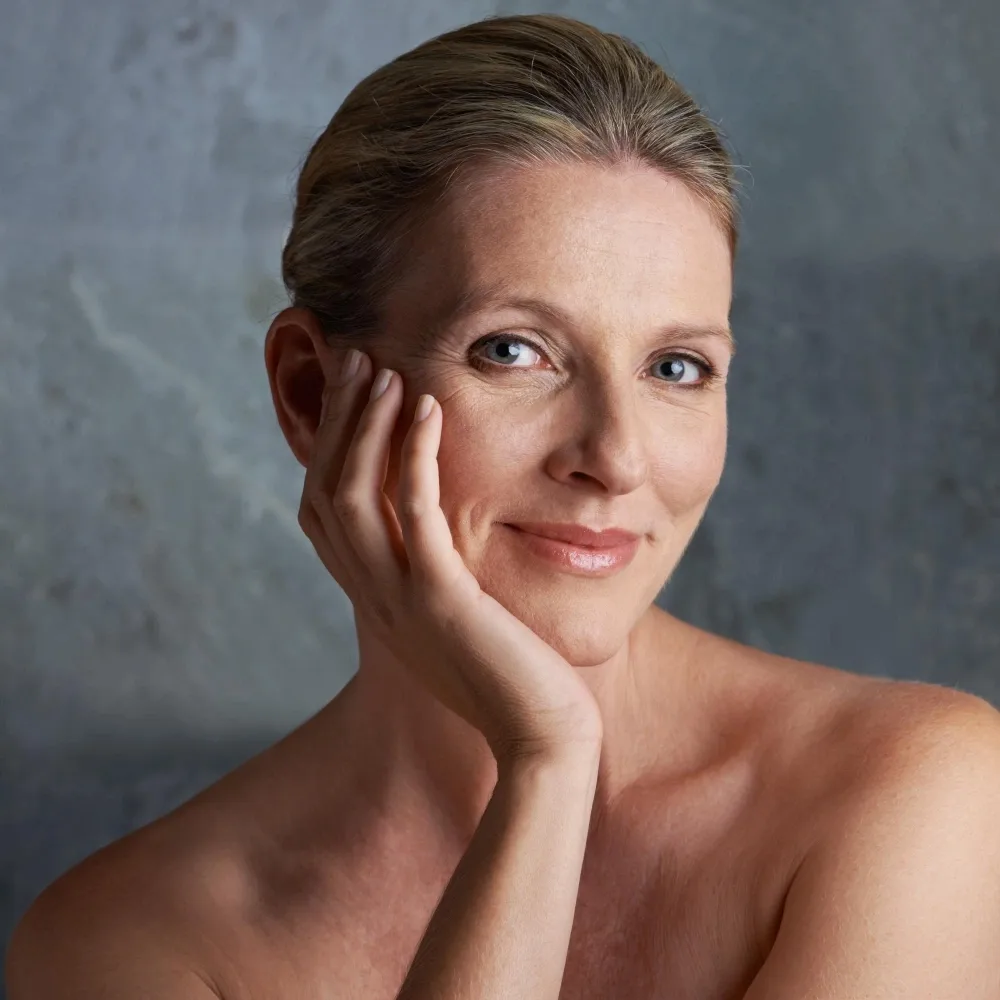
The right technique depends on four key factors, not your age alone. Where aging is most visible, how much correction you need, your recovery timeline, and how long you want results to last are what matter most.
Let’s break that down. Here’s a practical framework to help you think through your options:
- Assess your primary concerns: Is aging concentrated in your lower face and jawline, or does it extend to your midface, cheeks, and neck?
- Consider your recovery window: Can you take two to three weeks away from social and professional obligations, or do you need to be back within a week?
- Weigh longevity versus recovery time: A mini facelift offers faster recovery but may need to be revisited sooner. A deep plane procedure requires more downtime but delivers results that can last a decade or more.
- Evaluate your long-term goals: Would you prefer a single comprehensive procedure or a staged approach starting with less invasive options?
At Artisan Plastic Surgery, your consultation begins with a thorough assessment of your unique facial anatomy and an honest conversation about what each technique can realistically achieve. A board-certified surgeon who performs multiple techniques can help match the right approach to your specific goals.
Claudia, who had a lower face and neck lift, shared her experience:
“I could not be more pleased! She and her entire staff are truly wonderful people! They all made my experience rewarding! My results are better than expected!”
Your Consultation and Next Steps

When you’re ready to explore your options, a consultation is the most valuable step you can take. During your visit, your surgeon evaluates your facial anatomy, skin quality, bone structure, and the specific areas where aging is most visible, then recommends the technique that best matches your goals.
Expect an honest conversation about what each procedure can and cannot achieve, including realistic timelines for recovery and results. Both the Northside and Johns Creek locations offer private, comfortable consultation settings.
Susan, who had a facelift with upper and lower eye surgery, shared her experience:
“Dr. Alexander and her entire medical staff have been wonderful, attentive, caring, and professional every step of the way. The level of care and communication has been excellent.”
Financing through Alphaeon Credit, Cherry, and CareCredit is available to make your investment manageable.
- Research your options using this guide and the comparison table above.
- Gather your medical history and a list of questions for your consultation.
- Schedule your consultation to receive a personalized treatment plan.
Conclusion
There’s no one-size-fits-all when it comes to facial rejuvenation — and there shouldn’t be. The right facelift technique is the one that honors your unique features, fits your life and timeline, and reflects your vision for how you want to look and feel. Whether that’s a mini facelift, an SMAS lift, or a deep plane procedure, simply knowing what’s available to you is a powerful place to start.
At Artisan Plastic Surgery, we see every face as a one-of-a-kind canvas. Our approach is personal, artistry-driven, and rooted in one simple belief: you deserve results that look like you.
Curious about which technique might be your best match? Schedule your personalized consultation today and let’s map out a plan that’s made for you.
Frequently Asked Questions
What is the most natural-looking type of facelift?
The deep plane facelift is widely considered the most natural-looking technique because it repositions deeper facial structures as a cohesive unit rather than pulling skin tight. This structural approach maintains facial expression and avoids the overdone appearance associated with older methods.
How long do different types of facelifts last?
Results vary by technique: mini facelifts last two to seven years, SMAS facelifts five to 10 years, and deep plane facelifts 10 to 15 years. Longevity depends on factors like skin quality, sun exposure, and overall health.
Am I too young for a facelift?
Age alone doesn’t determine candidacy. Patients in their late 30s and 40s increasingly choose less invasive techniques like the mini facelift as a proactive approach to early signs of aging.
Can different facelift techniques be combined with other procedures?
Yes, facelifts are commonly combined with a neck lift for a defined jawline, eyelid lift surgery in Atlanta, brow lifts, or fat grafting for comprehensive facial rejuvenation. Your surgeon will recommend combinations based on your specific concerns.
What is the safest type of facelift?
All modern facelift techniques have strong safety profiles when performed by a board-certified plastic surgeon. SMAS facelifts have the lowest overall complication rates, while both SMAS and deep plane techniques show very low rates of permanent nerve injury.